6 Self-Tape Tips From a Former Casting Director

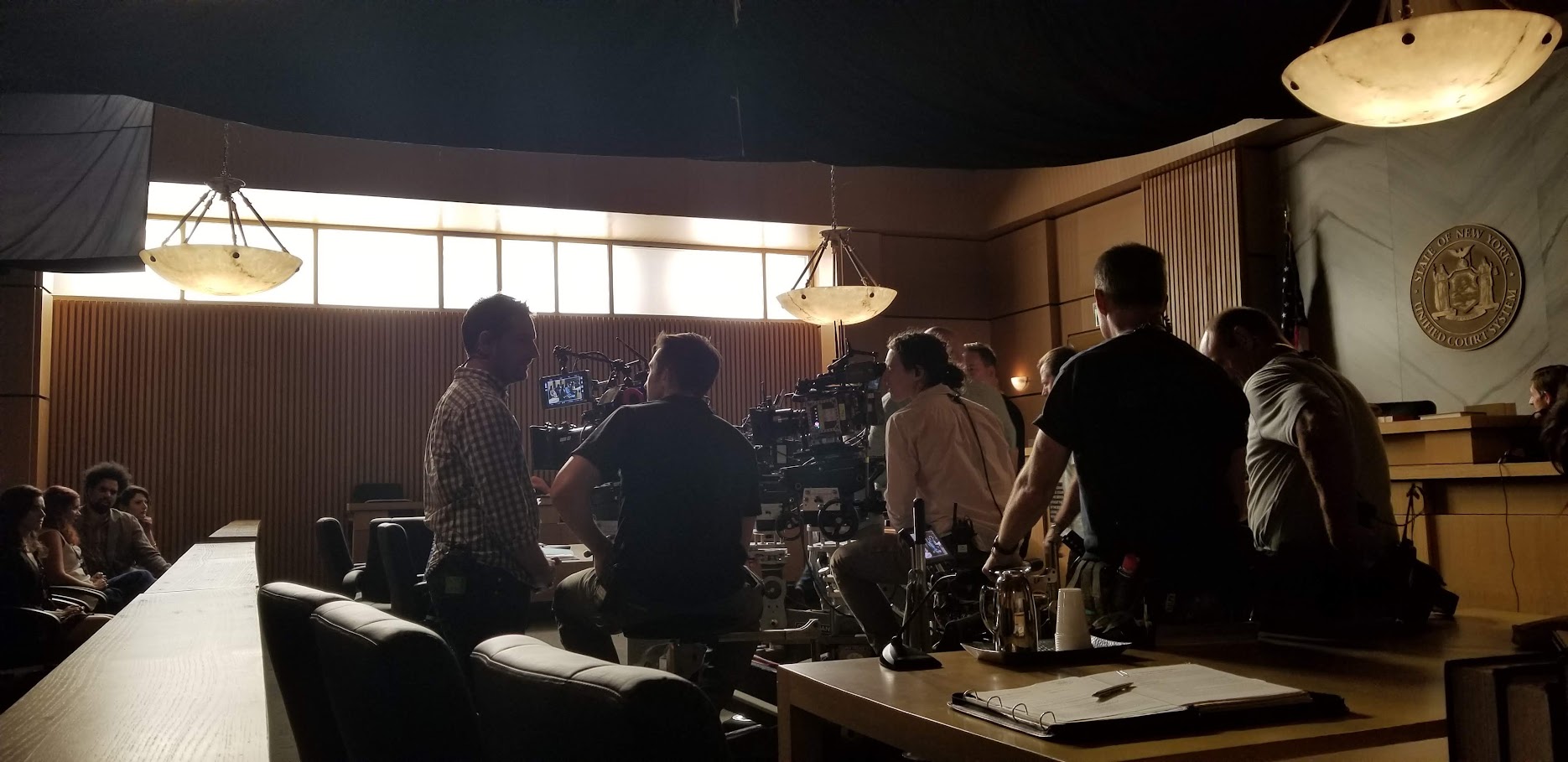
Love it or hate it, we're in the era of the self-tape. In-person first auditions still happen, but most of today's auditions happen without an actor ever stepping into a casting office. When I was casting, I loved seeing actors in the room — getting a read on their energy, handing them a note and watching them adjust on the spot, forming genuine friendships with repeat actors. All that is very rare now. But the self-tape isn't a lesser version of that audition — it's a different skill, and once you know what casting is actually looking for, it's one you can control far more than a five-minute room session. Here are a few things I learned from my time as a casting director that I still apply to my own tapes.
1. Skip the gear rabbit hole
You don't need a 4K camera, a three-point light rig, or a boom mic. You've seen the celebrity self-tapes leak online — half of them are shot in a kitchen, on a phone, propped against a stack of books. You've also probably seen your friend's self-tapes: beautiful muslin backdrop, gorgeous soft light, the sharpest video you could put on social media. Guess what actually matters in the tape? Whether you can be seen well, whether you can be heard well, and whether you were right for the part. Good gear doesn't make up for a sub-par performance.
2. Match the tone of the room you're walking into
Do your homework on the project. If it's a long-running show, watch a few episodes first and make sure your performance actually fits it. You could deliver an Emmy-worthy, HBO-limited-series performance — and it will still be the wrong tape if you're reading for a network multi-cam. I passed on genuinely great actors more than once because the read was calibrated for a different show than the one in front of them. Casting isn't just scoring your talent, it's asking "does this person fit this thing" — answer that question before you hit record.
3. Watch your own tapes back
We're not in the room anymore, so stop treating this like you are. In the room, the take happens and it's gone — you can't rewind a live read. A self-tape, you can. Use it! Watch it back and ask yourself two questions: "Could I see this performance on the actual show?" and "If this were someone else's tape, would I keep watching it?" I've refilmed my own tapes more than once because the honest answer to one of those was no. If you're not willing to watch it with that kind of distance, you're skipping the one advantage self-tapes actually give you over an in-person read.
4. Know when to stop
Here's the flip side of the last tip: if you're not making a real change to the scene, it almost certainly doesn't matter. A stray strand of hair, a wrinkle on your shirt, a word you think you could deliver 3% better on take nine. None of it moves the needle, and chasing it will just flatten your performance through repetition.
Here's how I think about it: every actor's take is different enough — the energy, the choices, the specific person they are — that picking between two good actors is like choosing between a cheeseburger and a chicken sandwich. Meanwhile, actors are in their own heads worrying about whether they've got too many sesame seeds on the bun. Fix the things that change what's on the plate. Leave the seeds alone.
5. Have a patient reader
Asking a friend to come over and taking up their time can subconsciously take you out of the scene. Make sure you have a reader who will be patient with the work — not your non-actor roommate who has to leave for yoga in 15 minutes. You'll settle for an "eh" performance you'd never accept in the room.
Alternatively, there are apps that solve this exact problem. It's the reason I created ScriptReadr — the advantage over other apps is the ability to send the scene to other actors. They record the other parts, and you can run the scene an unlimited number of times. Rehearse it until you get it right, or film the actual tape with the app. I've booked several network shows using it.
6. You're not being ranked against "good." You're being ranked against "right."
This is different from talent, and it trips actors up constantly. I've passed on genuinely excellent tapes because the choice, while great, wasn't what that specific role needed that day — and that has nothing to do with how good an actor someone is. It can feel brutal from the outside, but it's actually freeing once you internalize it: your job was never to be the most talented person in the pile. It's to make a clear, specific choice and let it be judged on fit, not on some imaginary absolute scale of "best."
← Back to all posts